
Business Jet Leasing for Corporate Flight Departments, Operators, Brokers and Private Clients
Business Jet Leasing: How Dry, Wet and Short-Term Leases Work
Business jet leasing gives you a dedicated private jet for an agreed term in exchange for rent, while the lessor keeps ownership. On a dry lease you take the aircraft only and operate it yourself. On a wet lease (ACMI) it comes with crew, maintenance and insurance. Terms run from a few weeks to several years. Blue Cube Aviation arranges business jet leasing for corporate flight departments, charter brokers, operators, family offices and private aviation buyers.
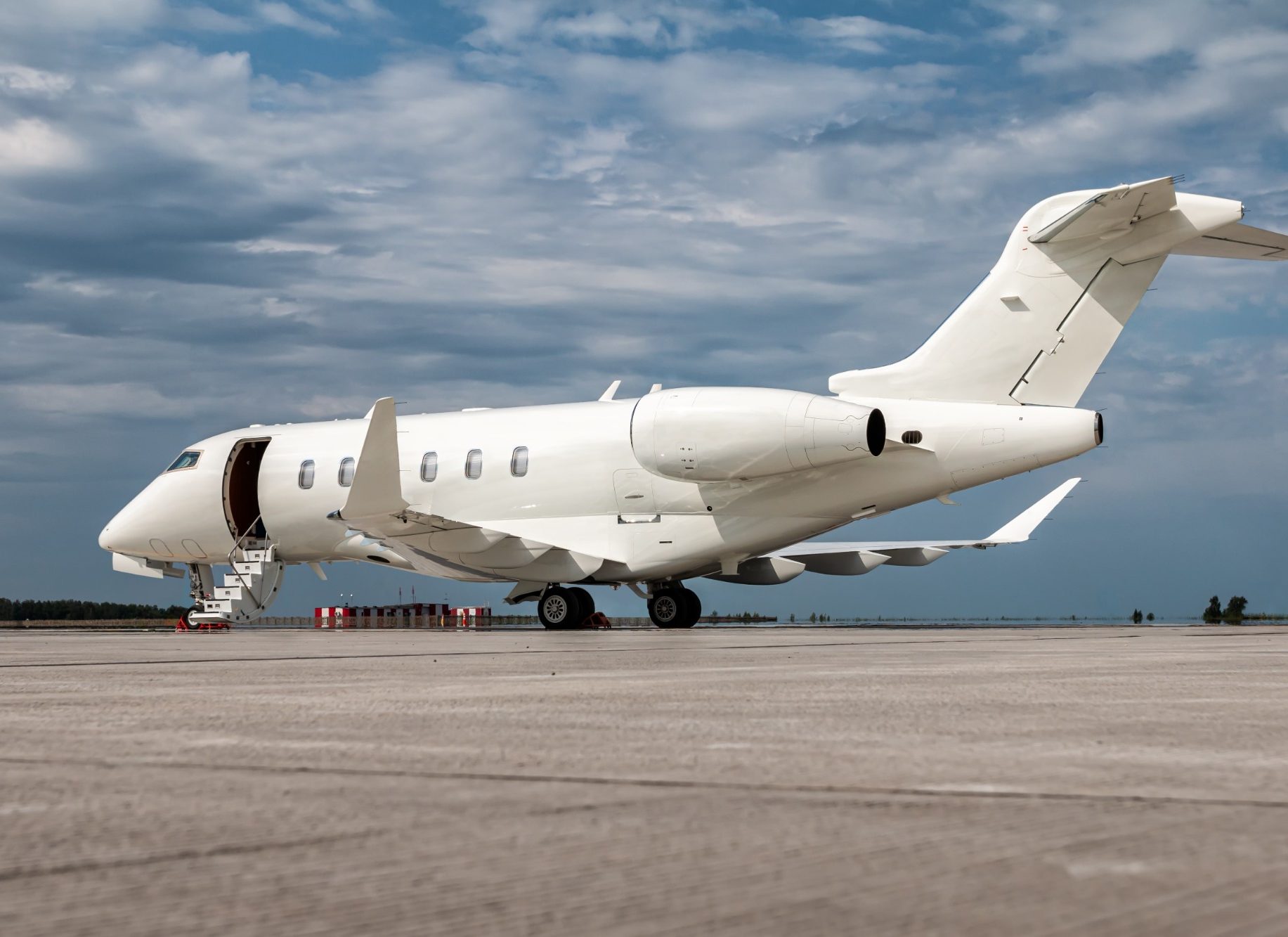
How Does Leasing a Private Jet Work?
A business jet lease gives you the use of a specific aircraft for an agreed period in exchange for rent, while ownership stays with the lessor. It sits between on-demand charter and full ownership. You get an aircraft that is dedicated to your programme, with a cost you can plan for, without paying the full purchase price.
Which Business Jet Lease Structures Are There?
Business Jet Leasing Options
Blue Cube Aviation arranges the main business jet lease structures. Each one has its own page with the detail.
- Business jet dry lease: the aircraft only. You or your operator provide crew, maintenance and insurance and hold operational control.
- Business jet wet lease (ACMI): aircraft, crew, maintenance and insurance supplied in one package through a certificated operating partner.
- Short-term business jet lease: weeks or months of capacity for seasonal peaks, AOG cover and maintenance downtime.
- Private jet sale and leaseback: sell the aircraft to a lessor and lease it straight back to free capital.
Not sure which structure fits? Our guide to dry lease vs wet lease for business jets sets out who carries each responsibility. For European operators, see business jet leasing in Europe.
Who Leases Business Jets?
- Corporate flight departments adding, replacing or upgrading aircraft without a purchase
- Charter operators and AOC holders adding business jets to their certificate or covering peaks and AOG events
- Charter brokers protecting key clients with dedicated lift
- Family offices and private aviation buyers who want aircraft access before, or instead of, ownership
Which Business Jets Can You Lease?
Lease options are available across the business jet range. Availability depends on the market at the time of your request, so we search against your mission rather than a fixed list. Light and midsize jets include the Embraer Phenom 300, Cessna Citation CJ3+ and CJ4, Citation XLS+, Citation Latitude and Embraer Praetor 500. Super-midsize jets include the Bombardier Challenger 350 and 3500, Gulfstream G280, Embraer Praetor 600 and Citation Longitude. Large cabin and ultra long range jets include the Gulfstream G650 and G700, Bombardier Global 6500 and Global 7500, Dassault Falcon 7X and 8X and Bombardier Challenger 650.
Should You Lease or Buy a Business Jet?
Buying gives you full control and any upside in the aircraft's value, but it ties up capital and leaves you carrying depreciation and resale risk. An operating lease keeps capital free and passes residual value risk to the lessor, in exchange for rent and contractual limits on use, maintenance and return condition. A finance lease sits closer to ownership, because you usually take title at the end.
We cover the trade-offs in detail in private jet lease vs buy and operating lease vs finance lease for business jets.
Which Rules Apply to a Leased Business Jet?
The rules follow the aircraft's register and the type of operation. A dry leased jet flown for the lessee's own travel is a private operation, for example under FAA Part 91 or EASA Part-NCC. A jet flown for paying passengers needs a commercial certificate, such as an FAA Part 135 certificate or an EASA AOC. In the US, leases of larger aircraft must meet the truth-in-leasing rule, and in the EU, an AOC holder's lease agreements normally need prior approval from its authority. Registration, base and operating structure therefore need to be settled early. See business jet leasing in Europe.
What Does a Business Jet Lease Cost?
There is no single price for leasing a private jet. The monthly rent depends on the aircraft type, age, specification and value, the length of the term and the hours you commit to fly. On a dry lease you then add crew, maintenance, insurance, fuel and trip costs. On a wet lease the crew, maintenance and insurance sit inside the rate, and fuel and trip costs are usually charged on top.
See private jet lease cost for each cost line, and business jet lease agreement terms for the clauses that shape the real price, such as deposits, maintenance reserves and return conditions.
How Do You Choose a Business Jet Leasing Company?
Lessors, operators and arrangers play different roles. A lessor owns the aircraft, an operator flies it, and an arranger such as Blue Cube Aviation searches the market and structures the lease around your mission. Whoever you work with, check that the structure matches your operation (dry if you hold operational control, wet if you do not); the operating partner on any wet lease holds the right certificate for the flights; the quote states clearly what the rate includes and excludes; and deposits, reserves, permitted use and return conditions are set out before you commit.
How Do You Request Business Jet Lease Options?
- Preferred structure: dry lease, wet lease or open to both
- Aircraft class or model and passenger count
- Start date and lease term
- Home base and main regions or routes
- Expected flight hours per month or per year
- Who will operate the aircraft: your AOC, your flight department or an operating partner
Request Business Jet Lease Options
Email your mission, term and expected hours to info@bluecubeaviation.net, and Blue Cube Aviation will reply with business jet lease options structured around your numbers.
Leasing is used for very different missions. A corporate flight department may lease a super-midsize jet to add capacity for two years. A charter operator may dry lease a light jet onto its own certificate for the summer. A family office may wet lease a large cabin jet with crew for a season. The right structure depends on who will operate the aircraft, how long you need it and how many hours you plan to fly.
Business Jet Leasing FAQs
Can you lease a private jet?
Yes. Private and business jets can be leased on a dry basis, where you take the aircraft only, or on a wet basis, where the aircraft comes with crew, maintenance and insurance. Terms run from a few weeks to several years.
What is the difference between leasing and chartering a private jet?
Charter buys individual trips on an aircraft that serves many customers. A lease gives you a dedicated aircraft for an agreed term, which suits clients flying regular hours who want the same aircraft, cabin and availability every time.
How long is a typical business jet lease?
Short-term leases cover weeks or months for seasonal demand or AOG cover. Longer operating leases usually run for several years. The term affects the rate, because lessors price in how long they have income certainty.
Do I need my own pilots to lease a private jet?
Only on a dry lease, where you or your operator supply crew and maintenance. On a wet lease, the operating partner supplies the crew.